Tahoe World
Where all the Action is
Spice up your backyard barbecue PDF Print E-mail
Written by Billy McCullough/Special to Chow   
Thursday, 05 July 2007

This site requires Flash 8. Download for free here.
Welcome to summer! Although every season has its benefits, summer in the Sierra is the most bountiful in long, blue sky days, mild evenings, a wealth of local California produce, and the smell of backyard barbecues.

Unlike many lowland communities, we only have a few choice months to break out the grill and enjoy the charred, caramelized flavor that only an open flame can impart. Yes, there are a few dedicated locals who brave any type of weather to barbecue every month of the year, but overall, right now is the time to light up the grill.

There is something exhilarating and liberating about cooking outdoors, especially when you can experiment with new flavors and fresh, local products. Food seems to taste better in open air. The smell of the fire and the aromas of outdoor cooking are strong sensory feelings that remind everyone how much they love summer.

At Dragonfly, I am blessed with a large industrial grill that I can use year round, but it will never compare to my backyard. Maybe it's because if I am grilling at home, I am not at work! Honestly though, the beauty of grilling is not only the food you are preparing, but the company it brings around you.

A couple weeks ago, I went to a potluck/BBQ party at a friend's house. Everyone brought over something to throw on the grill. The company was great and I ate very well, but thinking about this article, I started to look at what people were preparing for the grill. Not to be too judgmental, but the flavors were fairly basic.

To some people, a piece of meat or fish with salt was perfect. To other people, a light vinaigrette marinade brought out some extra flavor. Overall though, I always get the sense that people are fairly intimidated to experiment with new flavors or ideas on the grill — and that is were I can come in for help.

It is easy for us here in the United States to assume we invented the concepts of grilling and barbecuing. And although we have perfected the art of outdoor American barbecue, Asian countries have used grilling techniques for centuries, and the flavors of Asia are an incredible accompaniment to grilled meats, seafood and vegetables.

Technically, grilling has been around since mankind started cooking with fire, and there is really no need to speculate which one of our ancestors figured out that grilled meat tastes better than raw meat, but someone did.

It was probably started in Africa or Asia and was no secret, but rather a standard technique. These early cooks and later generations learned that grilled meats were more tender if they were first soaked in liquid and were more flavorful if they were coated in local spices and herbs. The first records of this technique happening was around 1550 in Mongolia.

The first true grilling tradition was the Mongolian barbecue, invented by nomadic tribes who grilled their goats and lambs over an open fire rather than carry around large cooking pots. They then influenced China and India, which they occupied, during the seventeenth century. From here the grilling technique spread throughout Asia and the world, with each country developing the art of grilling to fit their palate.

The Japanese, preferring the austere and minimal, grill food with simplicity and clean tastes. Korean grilled food, on the other hand, exalts the country's love for sweet flavors. Indonesians, creators of the popular Satay (tiny skewers of meat) tend toward more savory flavors like curry and peanut.

In Asia, grilling foods are often seasoned with just a sprinkle of salt and pepper, a squeeze of lime, and a dash of vinegar. Marinades, which are used as seasonings and to tenderize food, are what really make the flavor difference and these are what I recommend to really heighten your grilling experience.

Each region of Asia has its own distinct flavor for grilling. In Southeast Asia, salt, garlic, lemongrass, galangal, fresh turmeric, and peppercorn are signature ingredients.

Sesame oil, soy sauce, cinnamon, five-spice, and ginger flavor Chinese food.
Dried spices, such as chilies, nutmeg, mace, cumin, cinnamon, and black pepper predominate in Indian cooking.

Koreans prefer sesame oil, sugar, soy sauce, and scallions.

In Japan, soy sauce, miso, mirin, bonito flakes, and sugar are used.

While ginger, shallots, turmeric, coriander seeds and cumin spice up the cuisine of Indonesia.

Personally, I enjoy a fusion of flavors and styles to marinate my food.

Red meat seems to stand up to bolder flavors, like the ingredients I mentioned in Chinese and Korean food. White meat and fish pair well with the styles of Japan and Southeast Asia. These, though, are personal opinions and the sky is truly the limit on what one can use.

I encourage people to experiment. Read a cookbook or check out the Internet for ideas. As much as I would love for you to come to my restaurant every time you crave unique flavors, you will see the experimentation with flavors is fun and rewarding. Going out to eat is great, but there is something special about sitting around the backyard with family and friends, smelling the aroma of a full grill, and diving into an endless possibility of flavors.

And just a couple more tips to pull off the successful barbecue. The most important thing to remember when grilling is organization. Have everything ready and within easy reach before you begin cooking. Most grilling recipes, once the food is marinated, take very little time.

The key to perfect grilling is a constant watch over the cooking process, which if eating with a group, can be a fun shared task. So, begin your experiment with a couple of my favorite recipes and share in the delights of fresh air, fresh tastes and the joys of summer!

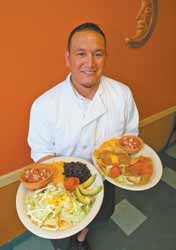
About the author: Billy McCullough is the chef/owner of Dragonfly Restaurant & Sushi Bar in downtown Truckee.

Recipes:

Miso Yaki Marinade
This recipe is great for salmon, halibut or sea bass. I have experimented with chicken, but prefer fish.

1 cup white miso
2 cups hoisin sauce
4 1/2 TBSP orange juice
4 1/2 TBSP sake
2 TBSP brown sugar
4 1/2 TBSP garlic, minced
4 1/2 TBSP ginger, minced

Combine all ingredients in a mixing bowl and whisk until smooth. Pour over fish until there is a heavy coating on the fish. Cover and put in the refrigerator for at least two hours before grilling.


Chinese Five Spice & Shallot Marinade
This is my favorite marinade for flank steak, hanger steak, or flat iron steak. Beef is definitely the way to go!

6 cloves garlic, minced
3 medium shallots, minced
2/3 cup sugar
3 tsp. Chinese five spice
1 1/2 tsp. black pepper
3 ounces fish sauce (nouc mam)
5 ounces soy sauce
5 ounces cooking sherry

Combine sherry, soy, fish sauce, and sugar in a mixing and whisk until sugar is dissolved. Add remaining ingredients and mix. Pour over meat and marinate at least one hour. Grill away.


Green Thai Curry Marinade
This is best with chicken. I prefer skin-on chicken legs, thighs, and breast pieces.

3 TBSP green curry paste (easily found at all Asian markets and some grocery stores)
1 cup coconut milk
2 TBSP fish sauce
2 TBSP sugar
1 TBSP lime juice
1 cup vegetable oil

Mix all ingredients well. Coat chicken with marinade and let sit, covered in refrigerator for at least two hours. It is much better over night. Grill away.
Comments

Only registered users can write comments.
Please login or register.

Powered by AkoComment 2.0!

Last Updated ( Thursday, 05 July 2007 )
 
< Prev   Next >

Jul 2008   >>
S M T W T F S
    1 2 3 4 5
6 7 8 9 10 11 12
13 14 15 16 17 18 19
20 21 22 23 24 25 26
27 28 29 30 31    
Full Calendar
Submit an Event

City:
Event Type:
Venue:
Keyword:
Cuisine:
City/Zip:
Powered by Fandango


contact usRSS 2.0

(C) 2008 Tahoe World